DIGGING DEEPER: HOW HYDRO EXCAVATION IS ADVANCING SUBSURFACE UTILITY ENGINEERING (SUE) AT CFB SURVEYING
When it comes to infrastructure projects, what lies below the surface can make or break what’s built above it. At CFB Surveying, we’re continually expanding our Subsurface Utility Engineering (SUE) capabilities to deliver smarter, safer, and more precise results for our clients.
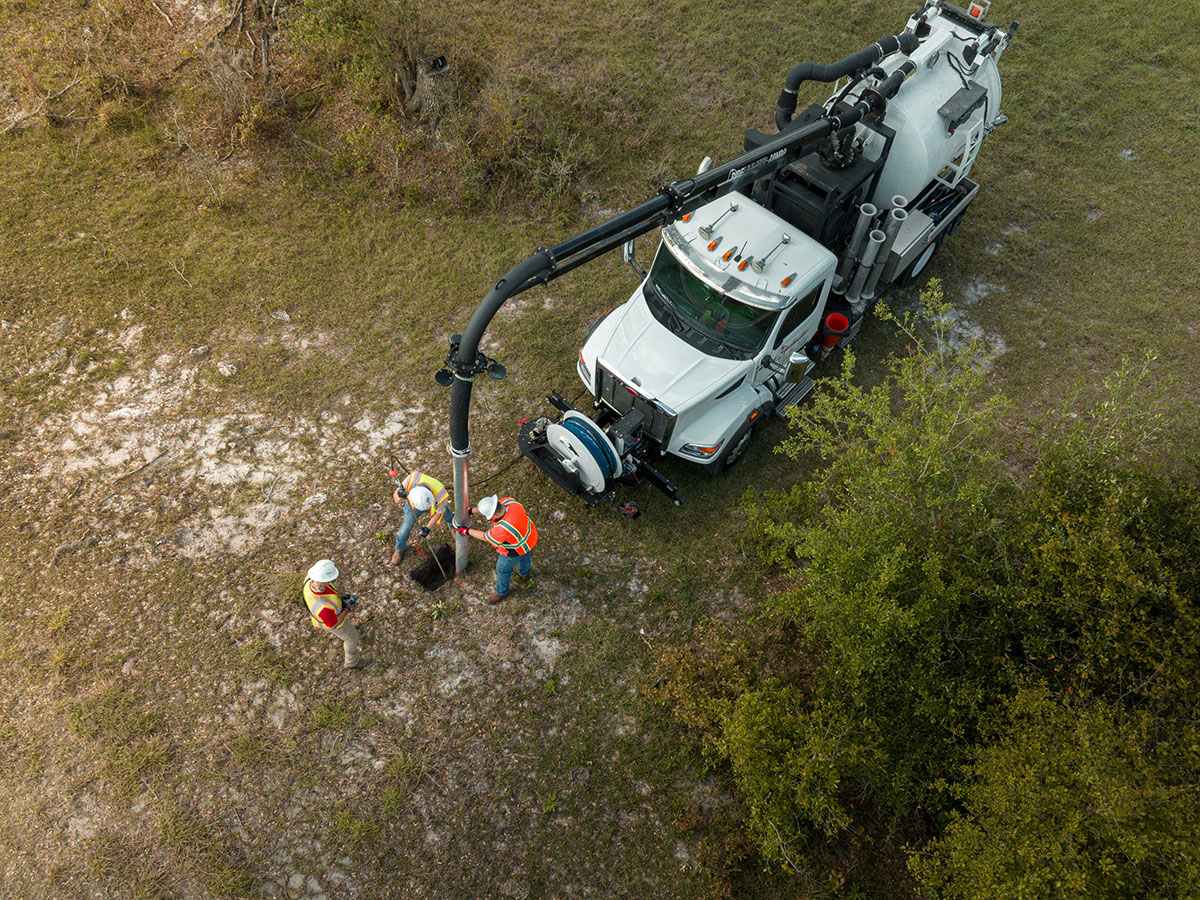
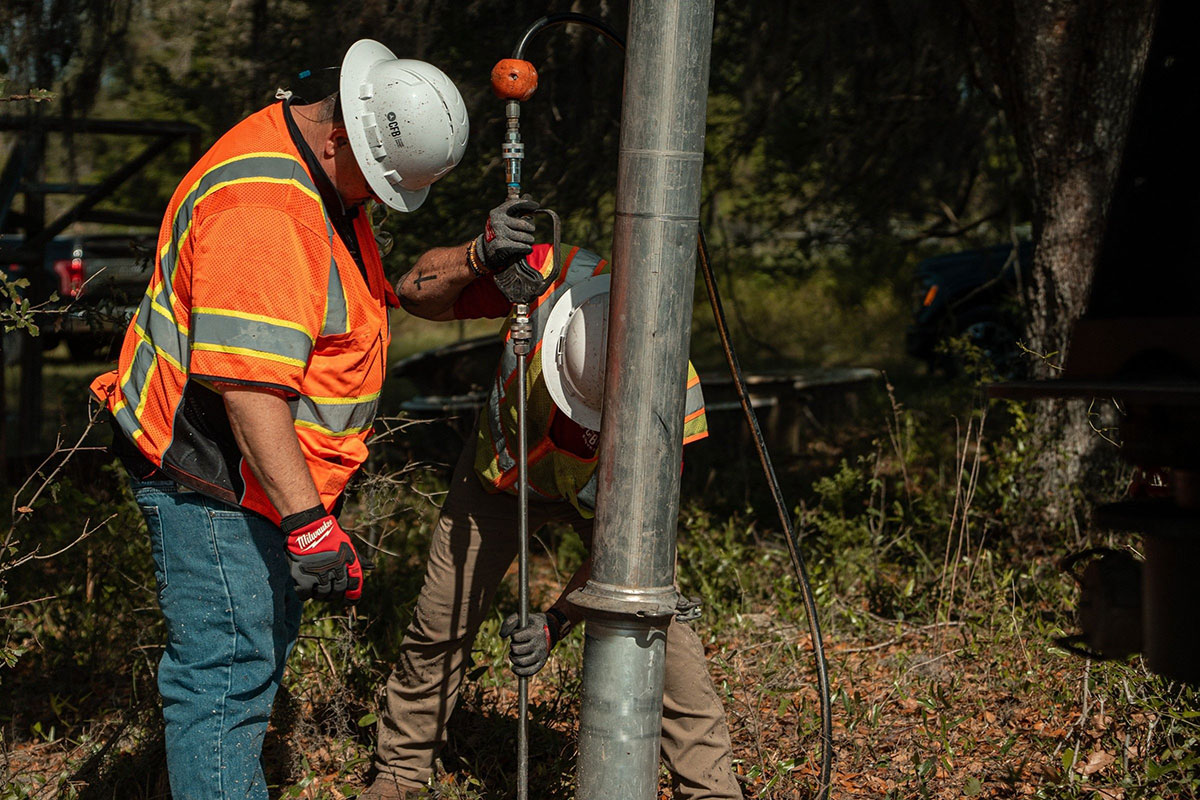
One of the ways we’re doing that is through the use of vacuum truck technology for hydro excavation – a non-destructive method that allows our team to expose underground utilities with a high level of accuracy and minimal disruption.
WHAT IS HYDRO EXCAVATION?
Hydro excavation is a process that uses pressurized water and a high-powered vacuum system to safely remove soil and expose buried utilities.
Unlike traditional mechanical digging, which relies on heavy equipment that can damage infrastructure, hydro excavation is:
- Non-destructive
- Highly precise
- Safer for crews and existing utilities
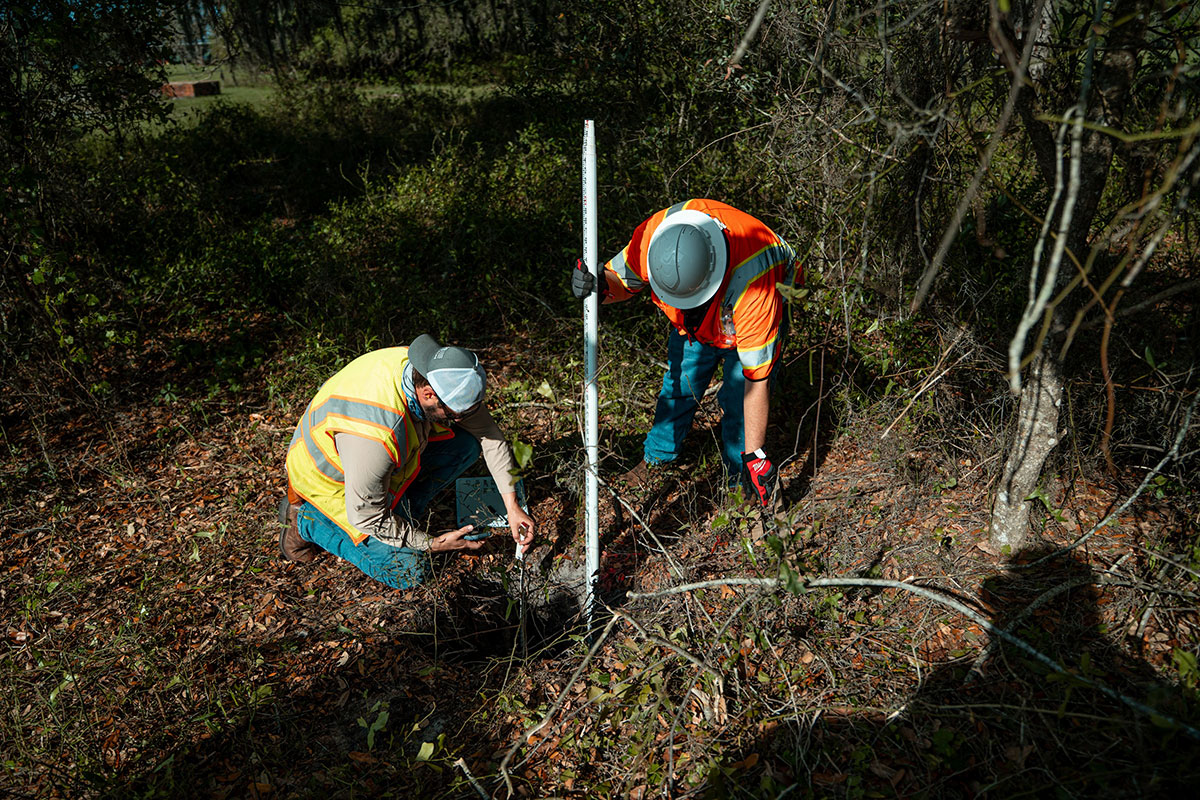
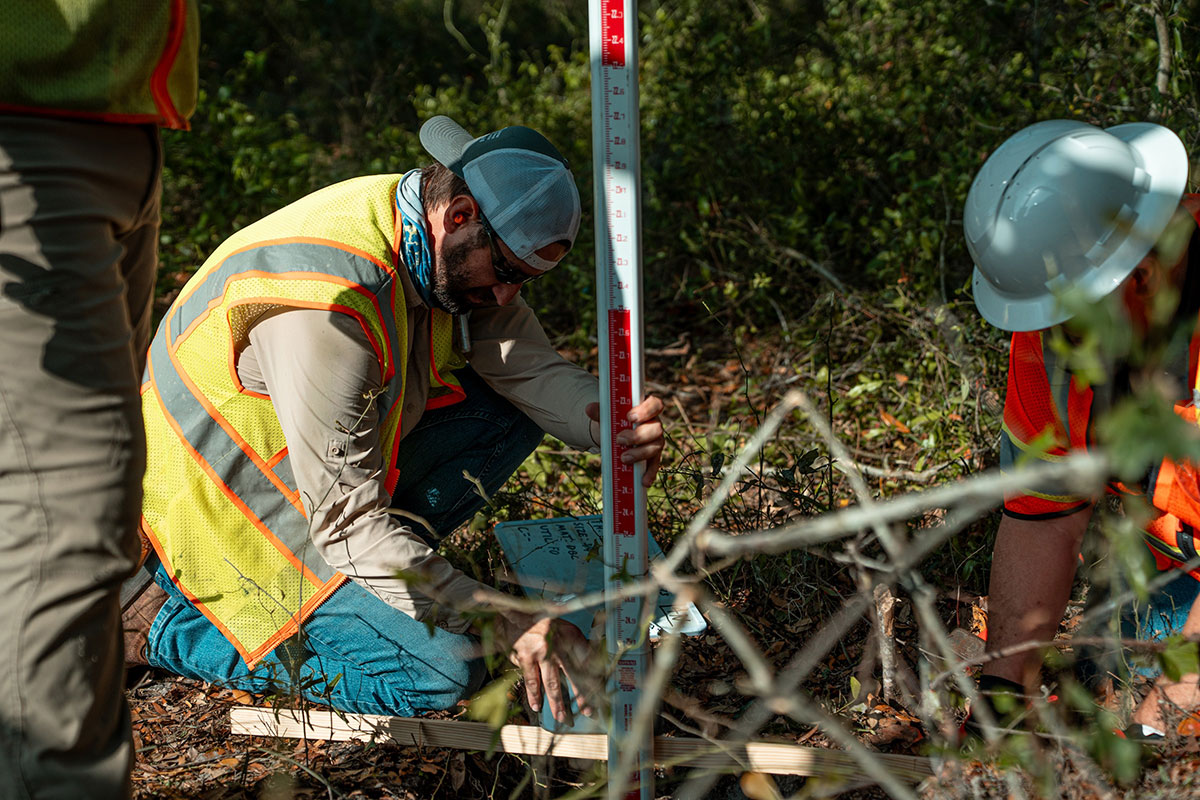
This method is commonly used in Subsurface Utility Engineering to “daylight” utilities – visually confirming their exact location, depth, and condition.
WHY IT MATTERS FOR INFRASTRUCTURE PROJECTS
Underground utilities are often more complex – and less documented – than expected. Inaccurate or incomplete data can lead to:
- Costly utility strikes
- Project delays
- Safety hazards
- Redesigns during construction
By incorporating hydro excavation into our SUE workflow, we help reduce these risks and improve confidence in the data used for design and construction.
For our clients, this means:
- Fewer surprises in the field
- More accurate planning and design
- Reduced risk and liability
- Improved project timelines
ENHANCING OUR SUE CAPABILITIES
Our SUE team utilizes a range of advanced technologies, including:
- Ground Penetrating Radar (GPR)
- Electromagnetic utility locating
- GNSS surveying systems
Hydro excavation adds a critical next step – physical verification.
By combining utility detection with daylighting, we provide a more complete and reliable understanding of subsurface conditions. This integrated approach supports higher-quality deliverables and better decision-making throughout a project’s lifecycle.
SUPPORTING INDUSTRY STANDARDS AND QUALITY LEVELS
CFB Surveying’s SUE services follow ASCE 38-22 and 75-22 standards, which define quality levels for subsurface utility data.
Hydro excavation plays a key role in achieving:
- Quality Level A (QLA) – the highest level of accuracy, based on direct visual confirmation
This level of detail is essential for projects where precision matters most – such as dense urban environments, utility corridors, or complex infrastructure upgrades.
A Collaborative, Multidisciplinary Approach
One of our strengths is the integration of our services across disciplines. Our SUE team works closely with:
The use of hydro excavation enhances this collaboration by delivering accurate, real-time field data that supports every phase of a project – from early planning through construction.
SMARTER SOLUTIONS FROM START TO FINISH
Investing in SUE early in a project is proven to reduce overall costs and risk. By leveraging tools like hydro excavation, we help clients:
- Identify conflicts before construction begins
- Avoid unexpected delays
- Improve constructability
- Maintain project momentum
The result is a more efficient, predictable path from design to completion.

FREQUENTLY ASKED QUESTIONS ABOUT HYDRO EXCAVATION & SUE
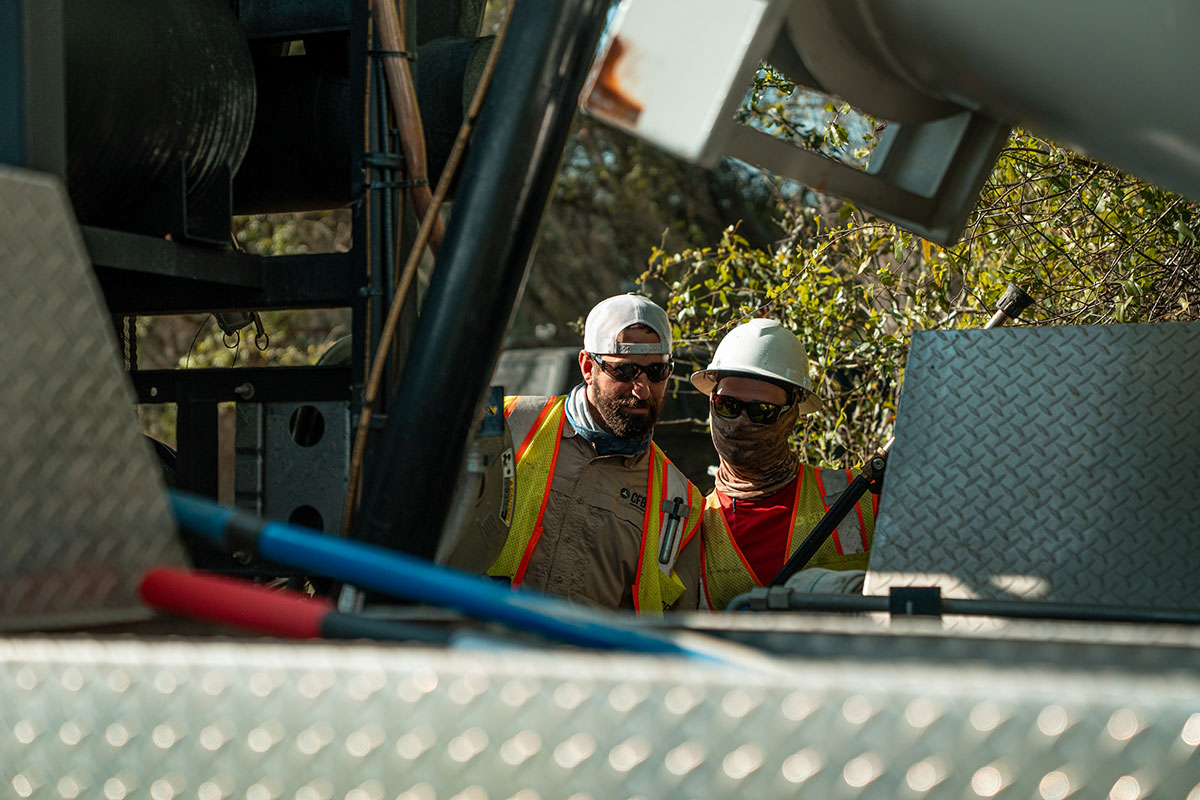
A vacuum truck is used in hydro excavation to safely remove soil and expose underground utilities. It allows engineers to visually confirm utility locations without damaging infrastructure.
Yes. Hydro excavation significantly reduces the risk of utility strikes and improves safety for crews by avoiding heavy mechanical excavation near buried infrastructure.
It’s commonly used during:
- Utility locating and verification
- Design-phase investigations
- Construction support
- Congested or high-risk utility areas
CFB leverages vacuum truck services as part of our SUE approach, allowing us to deploy the right tools and resources based on project needs while maintaining flexibility and efficiency.
Subsurface Utility Engineering (SUE) has a well-documented return on investment, particularly as infrastructure projects become more complex and funding sources more diverse.
Studies conducted by organizations such as the Federal Highway Administration (FHWA), state Departments of Transportation, and leading universities consistently show that investing in SUE early in a project can significantly reduce overall costs.
These savings are typically achieved by:
- Minimizing unexpected utility conflicts
- Reducing the need for costly relocations
- Preventing construction delays and redesigns
- Improving coordination during design and construction
Because of these benefits, many Departments of Transportation incorporate SUE into their project lifecycle requirements. While transportation projects have led the way, SUE is now widely used across industries—including oil and gas, electric utilities, and infrastructure development worldwide.
Research dating back to the 1990s—and continuing through today—demonstrates consistent cost savings:
- Louisiana DOTD (2021): $2.73 saved for every $1 invested
- PennDOT (2012): $11.39 saved for every $1 invested
- Penn State University (2007): $22.21 saved for every $1 invested
- University of Toronto (2005): $3.41 saved for every $1 invested
- Purdue University (2000): $4.62 saved for every $1 invested
These findings reinforce a consistent trend: early investment in SUE leads to better outcomes, fewer surprises, and measurable cost savings throughout the life of a project.
LOOKING AHEAD
As infrastructure demands grow and project environments become more complex, the need for accurate subsurface data continues to increase. CFB Surveying remains committed to leveraging the right tools, technologies, and partnerships to deliver reliable, high-quality SUE services.
By integrating hydro excavation into our workflow, we’re not just identifying what’s underground – we’re providing the clarity and confidence our clients need to build above it.
CFB Ocala Has a New Home! Learn more about CFB Ocala.